Garage Tinkerers to Seven-Figure Deals: The Aftermarket Slingshot Scene Nobody Saw Coming
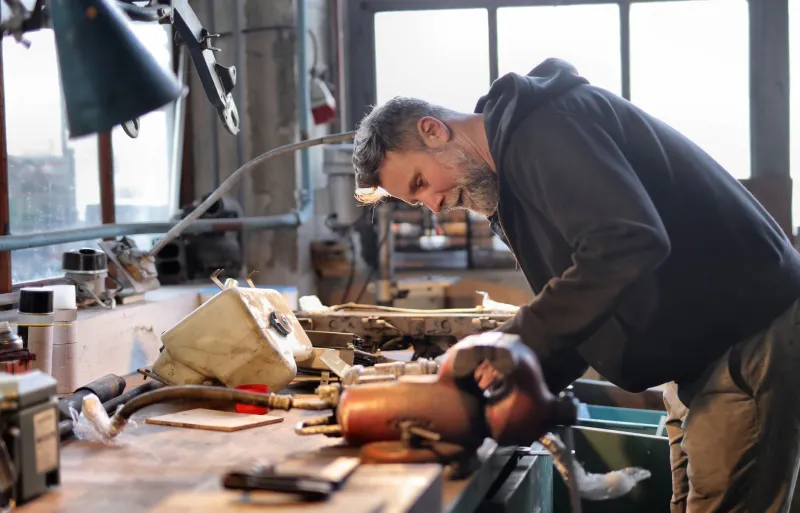
Nobody handed Marcus Webb a blueprint. Working out of a converted shed in Boise, Idaho, he spent three years experimenting with surgical-grade latex, 3D-printed fork geometries, and hand-stitched pouches before his custom band sets started selling out within minutes of every drop. Today, his brand — Apex Pull — ships to customers in 34 countries and generates over $1.2 million in annual revenue. He has never taken a dollar of outside investment.
Webb is far from alone. Across the United States, a loose but surprisingly organized network of modders, fabricators, and physics obsessives has built something the traditional slingshot industry didn't anticipate: a thriving aftermarket economy now valued at roughly $50 million, growing at a pace that has venture capitalists circling and major manufacturers scrambling to respond.
How It Started: Frustration With Factory Defaults
Ask almost any serious slingshot gamer how they got into modding, and the answer is almost always the same — stock equipment just wasn't good enough. Factory bands stretch unevenly. Off-the-shelf frames flex at the wrong moment. Pouches lose their shape after a few hundred launches. For casual players, none of that matters much. But for competitors chasing leaderboard spots or speedrun records, those tiny inconsistencies add up fast.
"The difference between a factory band and a properly tuned custom set is like the difference between a gas station energy drink and a custom pre-workout stack," says Dani Okafor, a competitive player from Atlanta who started modding her own gear in 2019. "Once you feel the consistency, you can't go back."
Early modders shared their work freely on forums and Discord servers, trading measurements, material sourcing tips, and frame templates without any expectation of payment. That culture of open collaboration is still very much alive — but somewhere along the way, a few people realized the market was real.
The Monetization Moment
The shift from hobby to hustle happened gradually, then all at once. Small-batch sellers started appearing on Etsy and specialized forums around 2018, offering hand-cut band sets and machined aluminum frames at prices that seemed steep until players actually tried them. Word spread quickly through competitive communities. When a handful of top-ranked players started openly crediting aftermarket gear for their improved scores, demand spiked overnight.
The economics turned out to be surprisingly favorable. Premium latex and polycarbonate materials are cheap in bulk. Skilled labor — the kind that produces genuinely consistent, competition-grade components — commands a premium, but margins on finished products are strong enough to sustain small operations without enormous volume. A modder selling 200 custom band sets a month at $45 each is clearing real money, especially when overhead is a garage workbench and a decent 3D printer.
By 2021, a second wave of operators entered the space with more formal business structures — LLCs, proper e-commerce storefronts, and actual customer service. Some began investing in CNC machining equipment to produce metal frames with tolerances that rivaled anything coming out of established factories. Others focused on targeting systems: aftermarket laser-assist attachments, weighted pouch rigs, and adjustable fork spreaders that let players dial in their setup with a precision that stock equipment simply doesn't allow.
Venture Capital Finds the Slingshot Shed
It sounds improbable, but it happened. In 2022, a small Austin-based modding operation called Torque Frame Co. closed a $3.2 million seed round led by a sports tech fund that had previously backed precision archery accessories. The pitch wasn't complicated: a proven customer base, strong repeat purchase rates, and a product category with zero serious competition at the premium tier.
"The unit economics were cleaner than most consumer hardware deals we see," said one investor familiar with the deal, who asked not to be named. "High margins, passionate buyers, and a clear path to SKU expansion. It checked a lot of boxes."
Torque Frame used the funding to move from a two-person operation to a team of eight, invest in automated band-cutting machinery, and launch a direct-to-consumer subscription model offering quarterly gear drops to serious players. Within 18 months of the raise, they reportedly hit $4 million in annualized revenue.
The Big Players Wake Up
If the venture capital interest was a signal, the acquisition activity that followed was a confirmation. At least three major slingshot hardware manufacturers have quietly purchased modding operations or licensed their technology over the past two years, according to multiple sources within the community. The terms of those deals haven't been publicly disclosed, but insiders describe them as ranging from low-seven to mid-eight figures — serious money for what were, not long ago, one-person garage businesses.
The strategic logic is straightforward. Rather than spend years developing premium band materials or advanced frame geometries in-house, established manufacturers found it faster and cheaper to simply buy the people who had already figured it out. In several cases, the acquired founders stayed on as product leads, essentially running R&D departments they built themselves from scratch.
Not everyone in the modding community views this as a win. Some veteran tinkerers worry that corporate acquisition will sand down the experimental edges that made aftermarket gear interesting in the first place. "The whole point was that we weren't beholden to a product roadmap," says one modder who declined to be named. "When you're inside a big company, you lose the freedom to just try weird stuff."
The Community Keeps Building
For every modder who cashed out, there are dozens more who have no interest in selling. Forums like the ones hosted across Discord and dedicated subreddits remain active hotbeds of experimentation, with new frame designs, band formulations, and pouch configurations dropping regularly. The culture of sharing still coexists — sometimes awkwardly — with the commercial layer that has grown up around it.
What's clear is that the aftermarket scene fundamentally changed what players expect from their gear. A generation of competitors who grew up tweaking and customizing their setups now treats modifiability as a baseline requirement, not a luxury. That expectation is reshaping how even mainstream manufacturers design and market their products.
Marcus Webb, back in his Boise shed, is already working on something new — a band tensioning system he says will make everything he's sold before look like a rough draft. He's had acquisition conversations. He's not ready to sell.
"The day I stop being curious is the day I stop being useful," he says. "I'd rather keep building."
Somehow, that attitude is exactly what turned a backyard hobby into a $50 million industry in the first place.