Seats Sold Out, Screens Lit Up: How Slingshot Gaming Became America's Newest Spectator Sport
Nobody saw it coming. Back in 2009, when Angry Birds dropped on the App Store and immediately hijacked every commute, waiting room, and family dinner in America, the idea that this genre would one day fill convention halls and rack up millions of live stream views would have seemed completely absurd. And yet, here we are.
Slingshot gaming — once dismissed as the casual cousin of "real" gaming — has pulled off one of the most surprising cultural pivots in the history of American entertainment. The trajectory from bedroom time-killer to stadium spectacle didn't happen overnight, but looking back, the signs were always there.
The Casual Era: Everyone Was Playing, Nobody Was Watching
Let's be honest about where this all started. The first wave of slingshot gaming was purely personal. You played alone, maybe bragged to a coworker about three-starring a level, and moved on. There was no competitive infrastructure, no community hubs, no reason to watch someone else play. The genre was built for the individual experience.
But underneath that solo-player surface, something interesting was happening. Players were developing genuine skill. They were optimizing trajectories, memorizing structural weak points, and shaving seconds off completion times. The raw material for competition was always there — it just needed a stage.
Around 2013 and 2014, early YouTube creators started posting high-score runs and perfect-clear walkthroughs. The view counts were modest, but the engagement was intense. Comment sections filled up with debates about technique and routing. People weren't just watching — they were learning, arguing, and coming back for more. That's the DNA of a spectator sport.
Speedrunning Communities Light the Fuse
The speedrunning world deserves a lot of credit for what came next. Communities on platforms like Speedrun.com began formally tracking slingshot game completions, and the leaderboard culture that followed gave players a genuine reason to go public with their skills. Suddenly, being fast and precise wasn't just personally satisfying — it was verifiable, rankable, and shareable.
Twitch streams dedicated to slingshot speedruns started pulling in consistent audiences. Not massive numbers at first, but loyal ones. And in the streaming world, loyalty converts. Viewers became regulars, regulars became subscribers, and a handful of streamers built real audiences around nothing but physics-based projectile gameplay.
What made these streams surprisingly watchable? The tension. A slingshot pull that goes slightly wrong can unravel an entire run in seconds. The margin for error is thin enough that even casual viewers can feel the stakes without needing to understand the deeper mechanics. That accessibility — you don't need to know everything to feel the drama — is exactly what separates a watchable sport from an impenetrable one.
Tournament Culture Takes Hold
The first organized slingshot gaming tournaments were grassroots affairs. Local gaming cafes in cities like Chicago, Austin, and Seattle hosted small brackets, often as side events at larger gaming conventions. Prize pools were modest. Attendance was uncertain. But the vibe was electric in a way that surprised a lot of organizers.
Word spread fast. By the late 2010s, dedicated slingshot tournaments were drawing hundreds of in-person participants and thousands of online viewers. Event organizers started investing in production value — multiple camera angles, live commentary, proper brackets with seeding. The presentation started to look less like a local trivia night and more like something you'd see on ESPN2 at 2 a.m.
Then came the money. Sponsors — initially energy drink brands and peripheral companies, then eventually mainstream tech and lifestyle brands — recognized that slingshot gaming audiences skewed young, engaged, and deeply online. That demographic is advertising gold, and brands started writing checks accordingly.
Streaming Platforms Double Down
The real acceleration happened when major streaming platforms started treating slingshot content as a category worth developing rather than a niche worth ignoring. Dedicated slingshot gaming channels on YouTube crossed the million-subscriber mark. Twitch began featuring top slingshot streamers in promotional spots typically reserved for battle royale and MOBA players.
What changed the calculus for these platforms was data. Slingshot gaming content showed unusually high watch-through rates — viewers weren't just clicking and bouncing, they were staying. Average session lengths in competitive slingshot streams consistently outperformed expectations, which told platform algorithms to push the content further. The genre essentially gamed the recommendation engine, and viewership snowballed.
Some creators leaned into education, building audiences by breaking down the physics and strategy behind high-level play. Others went full entertainment, building personas around wild risk-taking and dramatic failures. Both approaches worked, which tells you how broad the audience actually is.
The Stadium Moment
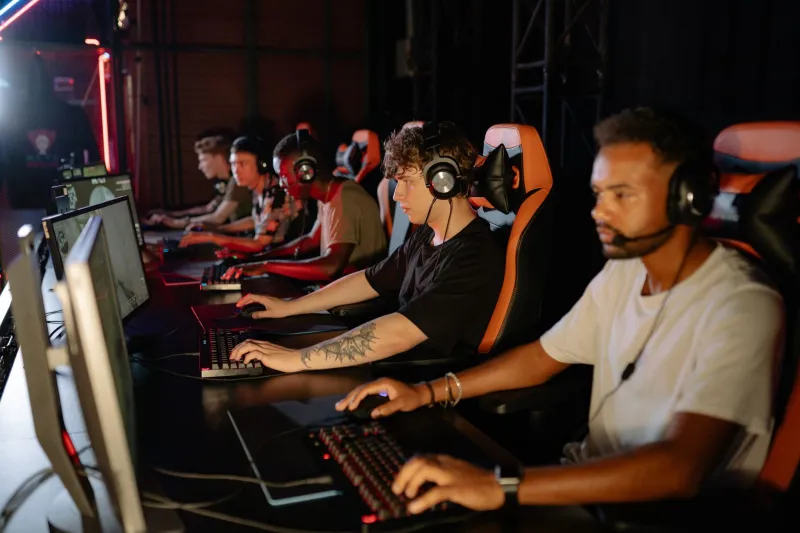
The clearest signal that slingshot gaming had arrived as a legitimate spectator sport came when tournament organizers stopped renting conference rooms and started booking actual event venues. Sold-out shows at gaming-focused arenas in Los Angeles and Atlanta put paying audiences in seats to watch competitors they'd been following online for years.
The atmosphere at these events is genuinely something to experience. There's a specific kind of crowd energy when a competitor lines up a near-impossible shot in the final round of a tournament — the room goes quiet in a way that only happens when everyone present understands what's at stake. It's the same hush you get at a golf tournament or a free-throw attempt in a close basketball game. Pure, shared tension.
For longtime fans of the genre, these moments feel like vindication. For newcomers walking into their first live slingshot event, it's often a revelation — they came out of curiosity and left as converts.
What Casual Fans Are Actually Tuning In For
Not everyone watching slingshot esports is a hardcore competitor. A significant chunk of the viewership is made up of casual players who enjoy the games but have no interest in competing at a high level. What keeps them watching?
Relatability is a big part of it. Unlike watching a professional FPS player operate at speeds and precision levels that feel alien, watching a top-tier slingshot competitor is something most players can connect to. You've pulled that same shot. You know what it feels like when it goes right — or catastrophically wrong.
Personality matters too. The streamers and competitors who've built the biggest slingshot followings in America aren't just skilled — they're entertaining. They explain their thinking out loud, react authentically to mistakes, and treat their audiences like friends rather than passive viewers. That parasocial warmth keeps casual fans coming back even when they're not particularly invested in who wins.
Where It Goes From Here
The slingshot gaming viewership scene is still growing, and the infrastructure is maturing quickly. Production quality at major events now rivals mid-tier traditional esports. Sponsorship deals are getting more sophisticated. And a new generation of players is growing up treating competitive slingshot gaming as a completely normal thing to watch and aspire to.
The genre has come a long way from everyone secretly playing on their phones while pretending to pay attention in meetings. It earned its audience the old-fashioned way — through genuine skill, compelling competition, and a community that showed up and kept showing up.
At Slingshot HQ, we've had a front-row seat to all of it. And honestly? The best part of this story is still being written.