Viral to Victory Lane: The New Players Skipping the Line — and Whether That's Actually Working
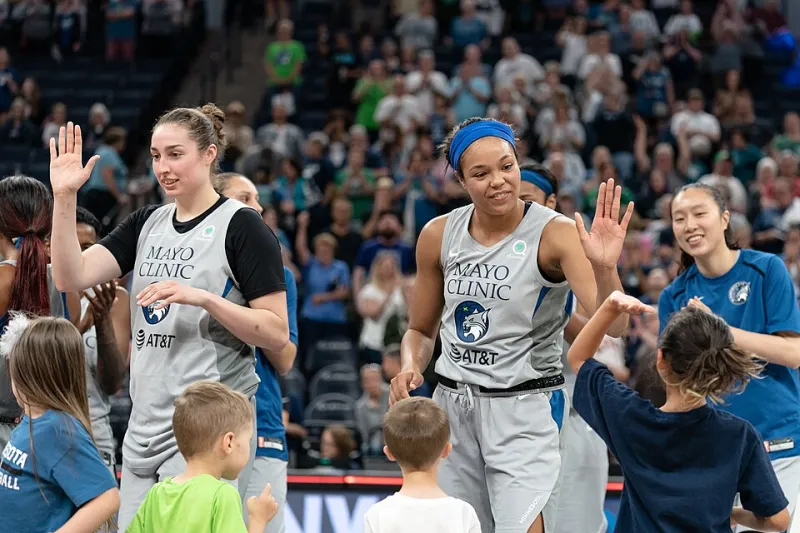
Photo: Lorie Shaull from St Paul, United States, CC BY-SA 2.0, via Wikimedia Commons
Six months ago, Marcus Delray had never entered a competitive slingshot tournament. Today he has a sponsorship, eleven thousand social media followers, and an invitation to a regional invitational in Phoenix. He got there by posting a single clip — a ridiculous, one-in-a-thousand bank shot in a mobile slingshot title — that racked up four million views in seventy-two hours.
"I didn't even know there was a competitive scene," he says, laughing. "I was just goofing around."
His story isn't unique anymore. Across the slingshot gaming space, a new pipeline has formed: viral moment, social following, sponsor interest, tournament invite. What used to take years of grinding regional ladders can now happen in a news cycle. And the people who built those ladders have opinions.
The New Recruiting Pipeline
Tournament organizers are paying attention to social metrics in ways they simply weren't three years ago. Follower counts, clip engagement, and content virality have become informal prerequisites for invitational consideration at certain events — not because they indicate skill, but because they indicate audience.
"We're running a business," says one regional tournament director who asked not to be named. "If I invite someone with a hundred thousand followers and they stream their matches, that's eyeballs on our event. That matters. I'm not going to pretend it doesn't."
This calculus has created something new in the competitive landscape: a class of players who arrive at tournaments with brand deals and broadcast setups before they've developed the mechanical fundamentals that veterans spent years building. Some of them wash out immediately. Others — and this is the part that rattles established players — actually perform.
The Skeptics Have a Point
Veteran players are not quiet about their frustrations, and their concerns deserve a fair hearing.
Jordan Tae has been competing in slingshot gaming tournaments for four years. She's grinded her way through regional qualifiers, dealt with losing streaks that would have broken most people, and developed a technical mastery of trajectory calculation and angle reading that she describes as "basically a second language at this point."
Watching newcomers leapfrog that process bothers her — not out of gatekeeping instinct, she insists, but out of concern for what happens next.
"The fundamentals exist for a reason," she says. "When you skip them, you're building on sand. You can get lucky in one tournament. You can have a great week. But the players who stay at the top are the ones who put in the hours on the basics. That doesn't happen in six months of going viral."
Her concern has data behind it. Tournament organizers and coaches who track player trajectories note that many viral-entry competitors plateau quickly. Without foundational skills — consistent release timing, adaptive angle adjustment, reading environmental variables — they hit walls that social media presence can't solve.
The Risers Respond
Not all of the fast-track players are blind to these critiques. Some of the most self-aware ones are actively trying to bridge the gap.
Delray, for his part, says the viral clip was a starting point, not a finish line. Since his moment of internet fame, he's been watching VODs of established competitors, working with an online coach he found through a Discord community, and entering smaller local events specifically to lose and learn.
"I know I'm not at their level," he says. "I'm not trying to pretend I am. But I'm also not going to apologize for the attention getting me in the door. What I do with it is on me."
This attitude — using visibility as access rather than as a substitute for development — may represent the healthiest version of the fast-track model. The players who treat their viral moment as an invitation to learn, rather than proof they've already arrived, tend to have longer competitive shelf lives.
Sponsorship Pressure and the Fragility Problem
There's a darker side to the acceleration that doesn't get talked about enough: the psychological pressure that comes with sponsorships and public expectations before a player is ready to handle them.
Established competitors typically develop mental resilience alongside technical skill. They lose publicly, repeatedly, and learn to process it. Fast-track players arrive with audiences expecting them to perform at a level their skills haven't reached yet.
"The pressure is different when people are watching because you went viral," says one esports psychologist who works with gaming athletes. "You're not just losing a match — you're potentially losing the narrative that got you your sponsor. That's a lot of weight for someone who hasn't built up the emotional calluses yet."
Burnout among high-visibility newcomers is a real pattern. Several players who entered the slingshot scene via viral clips in the past two years have quietly stepped back, citing a mismatch between the identity they built online and the reality of competitive play.
What a Healthier Pipeline Looks Like
The conversation doesn't have to be viral exposure versus traditional grinding. The most forward-thinking voices in the slingshot community are arguing for a both-and approach.
Some tournament organizers are experimenting with tiered entry systems that give viral-entry players a competitive pathway without bypassing qualification requirements. Sponsors are starting to structure deals with performance benchmarks rather than pure follower metrics. Coaches who work with newer players are building curriculum specifically for the fast-track demographic — people with visibility and motivation who need foundational skills fast.
The goal isn't to slow down the new players. It's to make sure the floor they're launching from is solid enough to hold them.
The Verdict
The TikTok-to-tournament pipeline is real, it's accelerating, and it's not going away. Whether it democratizes competitive slingshot gaming or creates a generation of players built on hype rather than substance probably depends less on the pipeline itself and more on what individual players choose to do once they're inside.
The door is open faster than it's ever been. What happens next is still up to the player.