Smaller Channels, Stronger Communities: How Mid-Tier Slingshot Streamers Are Winning Where Giants Can't
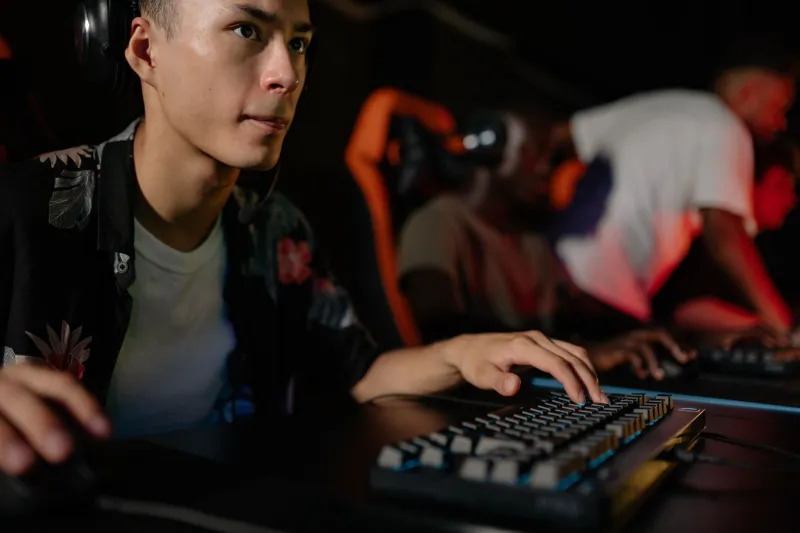
There's a moment every mid-tier slingshot streamer knows well. You post a 40-minute deep dive on angle optimization in Pocket Siege, you check the numbers the next morning, and the views are modest — maybe 8,000, maybe 12,000. Then you check the comments. Forty-three replies, half of them debating a single frame of your trajectory analysis. Your Discord pings all day. Someone builds a spreadsheet based on your breakdown and shares it back to you.
That's not a small moment. That's a community.
While the biggest names in slingshot gaming content — the streamers with seven-figure subscriber counts and corporate sponsorship decks — dominate headlines, a quieter revolution is happening one tier below them. Creators sitting somewhere between 15,000 and 300,000 followers are carving out sustainable, engaged audiences by going narrow instead of broad. And in a lot of ways, they're outmaneuvering the giants.
The Numbers Game Nobody's Talking About
Here's the thing about massive slingshot channels: reach and engagement don't always scale together. A creator with 2 million subscribers might average a 1.2% comment engagement rate. A mid-tier channel with 80,000 subscribers can routinely hit 6%, 8%, even double digits on the right video.
That gap matters enormously to sponsors — the kind who actually care about conversion, not just impressions. Indie game developers, niche peripheral brands, and specialty gaming accessory companies have started recognizing what marketing analysts have been saying for years: smaller audiences that actually trust the creator spend more money on recommendations.
Marcus T., who runs a slingshot physics and tutorial channel out of Columbus, Ohio, put it bluntly in a conversation with Slingshot HQ: "I've got 67,000 subscribers. I had a peripheral company reach out because my audience actually buys stuff. They said my conversion rate on a previous mention beat a channel fifteen times my size. I didn't believe them until they showed me the data."
That dynamic is reshaping who gets brand deals — and who keeps them.
Niche Down, Blow Up (Slowly)
The creators thriving in this space share one obvious trait: they picked a lane and stayed in it. Not just "slingshot games" — that's still too broad. We're talking channels built entirely around speedrunning a specific title, others focused exclusively on obscure indie slingshot releases that the algorithm will never surface organically, and some dedicated to accessibility tutorials for players with physical limitations.
Jenna R., based in Portland, built her channel around reviewing indie slingshot titles that fly under the radar — the kind of games that launch on itch.io with 200 downloads and a passionate dev behind them. Her audience is roughly 42,000 strong, and she describes them as "the most intense gaming community I've ever been part of."
"These people are not passive," she said. "They show up because they can't find this content anywhere else. If I review something, they go buy it. They tell their friends. They come back and argue with me in the comments for a week. That's not an audience — that's a team."
The economics of niche content also work differently. A video targeting a broad slingshot audience competes with hundreds of similar uploads. A video titled "Every Hidden Mechanic in Slingshot Rampage's Campaign Mode, Ranked" is competing with almost nothing — and the people searching for it are exactly the people who will watch the whole thing.
Platform Strategy Beyond YouTube and Twitch
Most mid-tier creators in this space have stopped treating YouTube and Twitch as their entire strategy. The smarter ones are running what amounts to a multi-platform content business, using each platform for what it actually does well.
Kick has picked up several slingshot streamers who got frustrated with Twitch's discovery problems. YouTube Shorts serve as top-of-funnel discovery. Discord is where the real community lives — behind the public content, in channels where regulars help each other with in-game strategy and share clips before they go anywhere else. Patreon and direct membership tiers handle recurring revenue that doesn't depend on any single algorithm.
"I think of YouTube as my billboard," explained Derek S., who streams competitive slingshot gaming from Atlanta and has been doing this for four years. "It's where people find me. But my Discord is where I actually live. That's where my real audience is. If YouTube disappeared tomorrow, I'd still have my community."
This distributed model offers something the mega-influencers genuinely can't replicate at scale: intimacy. When Derek goes live on Twitch, he knows most of his regular viewers by username. He remembers their play styles, their ongoing struggles with specific game mechanics. That's not possible when you're managing a chat moving at 10,000 messages per minute.
The Sustainability Equation
So what does "sustainable income" actually look like at this tier? It varies wildly, but the creators we spoke with described a patchwork model: a combination of platform ad revenue, sponsorships from niche-appropriate brands, Patreon or channel memberships, occasional affiliate revenue from game sales, and for some, commissioned tutorial content or coaching.
None of it is get-rich-quick. But several creators described hitting a threshold — usually somewhere around 50,000 engaged subscribers — where the income became genuinely livable without requiring a second job. The key word is "engaged." A ghost audience of 200,000 casual subscribers can earn less than an active community of 55,000 regulars.
"I cleared more last year than I did at my marketing job," Jenna said. "Not by a lot. But enough that I don't have to go back. And I wake up every morning excited to make something."
That's the part the follower-count obsession misses entirely. The mid-tier isn't a stepping stone to the top — for a lot of these creators, it's the destination. The community is tighter, the creative freedom is greater, and the relationship with the audience is something the algorithmic giants can't buy.
In slingshot gaming, precision beats raw power every time. Turns out the same principle applies to building a streaming career.