Patreon, Patches, and Paydays: The Hustle Economy Keeping Competitive Slingshot Players in the Game
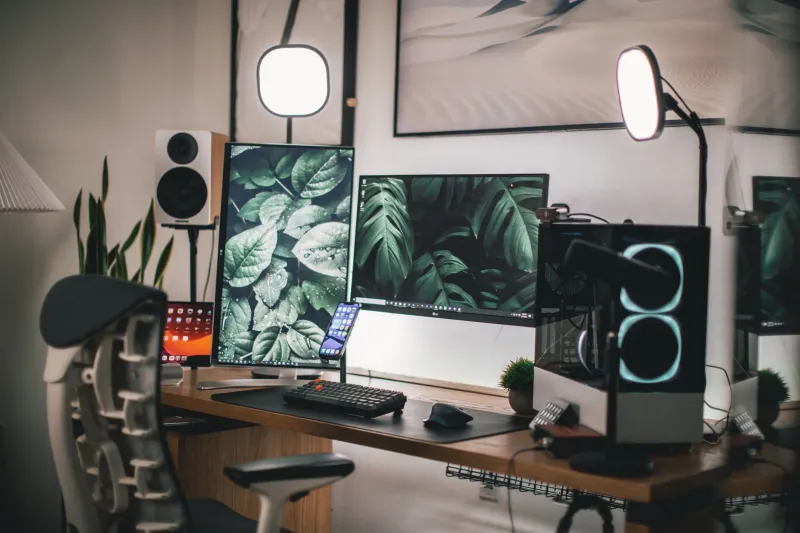
Walk into any regional slingshot gaming tournament these days and you'll spot them immediately — the players who show up in branded hoodies, set up ring lights before the first round starts, and somehow always have a fresh energy drink in hand with a logo facing the camera. These aren't the top-seeded pros with six-figure sponsorship packages. They're the grinders in the middle of the pack, and they've quietly figured out something the esports industry has been slow to acknowledge: you don't have to be number one to build a real income around competitive gaming.
The economics of competitive slingshot play have never been straightforward. Prize pools at the regional level rarely crack five figures, and even strong finishes at national events don't guarantee consistent income. But a new generation of players is rewriting that math by diversifying far beyond the leaderboard.
The Merch-First Mindset
Ask Marcus T., a 24-year-old from Columbus, Ohio who's been competing in slingshot physics tournaments for three years, how he keeps the lights on, and he'll tell you straight: "Merch saved my career before it even really started."
Marcus launched a small merchandise line after hitting a modest social following of around 8,000 across platforms. Nothing flashy — a few T-shirt designs built around his in-game signature shot, some sticker packs, a limited hoodie run. His first drop moved 200 units in a weekend. "I made more in 48 hours than I did in my last two tournaments combined," he says.
The key, Marcus explains, is timing. Dropping merch during a tournament run, when engagement is naturally spiking, turns competition momentum into direct sales. It's a strategy borrowed from the broader creator economy and transplanted into competitive gaming with surprisingly clean results.
Patreon and the Subscription Play
For players who stream regularly, Patreon has become the backbone of a sustainable income model. The pitch is simple: fans pay a monthly fee for exclusive content — extended strategy breakdowns, early access to tutorial videos, behind-the-scenes tournament prep footage.
Jordan R., based out of Austin, Texas, has built a Patreon with just over 400 subscribers across three membership tiers. At an average of $7 per subscriber per month, that's roughly $2,800 in predictable monthly income before she even fires up a tournament stream. "It's not life-changing money, but it's reliable," Jordan says. "Reliable is everything when you're trying to treat this like a job."
What makes the Patreon model particularly well-suited to slingshot gaming is the genre's inherent teachability. Physics-based mechanics, trajectory optimization, power calibration — there's a lot to unpack, and dedicated fans are genuinely hungry for that depth of content. Exclusive coaching sessions and live Q&As have become Jordan's highest-converting membership perks.
Landing Brand Deals Without a Million Followers
The sponsorship conversation tends to make mid-tier players nervous, mostly because they assume brand deals are reserved for streamers with massive audiences. That assumption is increasingly outdated.
Smaller brands — particularly in the gaming peripheral space, tech accessories, and yes, energy drinks — have shifted toward micro-influencer partnerships because the engagement rates are often stronger and the costs are far more manageable. For a competitive slingshot player with a niche but loyal following, that's actually a structural advantage.
The approach that's working for players like Denver-based competitor Alicia M. is what she calls "product-fit pitching." Instead of sending cold emails to every brand with a gaming budget, Alicia researches companies whose products she already uses or that make logical sense alongside slingshot gaming content. She then builds a simple one-page media kit — follower counts, average views, audience demographics, a few content samples — and leads with specifics about why her audience is a natural fit for that brand.
"I got my first deal with a gaming chair company by just being really honest that I had 6,000 followers but 90% of them were serious gamers," she says. "They didn't need a million eyeballs. They needed the right thousand."
Coaching as a Revenue Stream
One of the most underutilized income sources in competitive slingshot gaming is direct coaching. As the player base has grown and competitive structures have matured, demand for one-on-one skill development has followed.
Players who have reached a competitive plateau — solid enough to compete seriously but not yet breaking into elite-tier prize money — often have more teaching value than they realize. Platforms like Discord and even straightforward video call setups have made it easy to offer structured coaching sessions at rates ranging from $30 to $75 an hour.
The catch is that coaching works best when paired with a content presence. Players who document their own improvement publicly, who explain their decision-making during streams, tend to attract coaching clients organically. The content builds credibility; the credibility converts into paying students.
Building the Business Brain
What separates the players who successfully monetize from those who don't isn't always mechanical skill. It's often mindset. The competitors making real money from mid-tier slingshot careers have internalized one core idea: they are running a small business, and gaming is the product.
That means tracking income streams, understanding basic tax obligations for self-employed creators (yes, that Patreon income is taxable), reinvesting in equipment and content quality, and thinking strategically about audience growth rather than just chasing leaderboard placement.
It also means playing the long game. The hustle economy around competitive slingshot gaming isn't a lottery — it's a grind with compounding returns. The players who started building audiences and revenue streams two years ago are now in a dramatically stronger position than those who waited until they cracked the top ten.
If you're competing seriously and you haven't started thinking about monetization yet, the message from the players already doing it is pretty clear: the best time to start was yesterday. The second best time is right now.