Kitchen Counter Ballistics: Build a Pro-Level Slingshot Practice Range for the Price of a Pizza
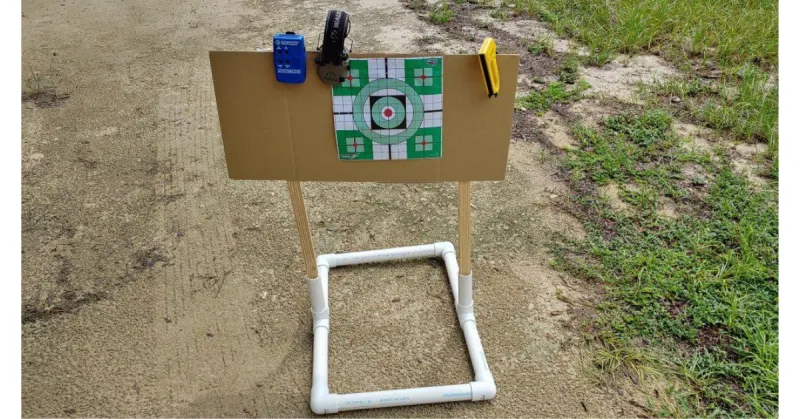
Photo: DIY target practice setup kitchen table tape grid, via blog.crossbreedholsters.com
Every slingshot player has been there. You're three days out from a ranked qualifier or a local tournament, your aim is shaky, and your schedule is packed. The gym is closed. The range is an hour away. Your apartment is roughly the size of a parking spot.
Here's the good news: the best training tool in competitive slingshot might already be sitting in your junk drawer.
Why Home Training Actually Works
Ask any top competitor how they got consistent, and you'll hear the same word over and over: reps. Not exotic gear. Not expensive coaching. Just thousands of controlled, measurable repetitions. And the dirty secret of slingshot practice is that distance doesn't matter nearly as much as feedback. A shot fired at a target four feet away teaches your hands the same release discipline as one fired across a field — you just have to know what to measure.
That's where the kitchen comes in.
The $20 Shopping List
Everything below is available at any big-box store in America, and half of it is probably in your home already:
- Painter's tape ($4): Your target grid, your floor markers, your everything. Never use duct tape unless you enjoy repainting.
- A laser pointer or cheap laser level ($8): For checking alignment and establishing sight lines.
- Sticky notes ($2): Perfect for micro-targets at close range.
- A measuring tape ($5): Non-negotiable. If you're not measuring, you're guessing.
- A notebook or free notes app ($0): Data is the whole game.
Total: under twenty dollars, with change left over for a celebratory slushie.
Setting Up Your Range
Pick a stretch of counter, table, or hallway with at least eight feet of clear space. Mark your firing line with painter's tape — this line never moves, ever. Consistency in training starts with consistency in setup.
Now build your target wall. A cardboard box leaned against the wall works fine, but a dish towel hung over a chair back is even better because it absorbs impact silently. Your roommates and downstairs neighbors will thank you.
Drill One: The Tape Grid
Lay a grid of painter's tape on your target surface, spaced two inches apart. Fire ten shots at the center intersection from your fixed firing line. Record where each shot lands using a simple grid notation — think battleship coordinates. After three sessions, you'll have a scatter pattern, and that pattern is your diagnostic. Shots clustering high? You're snapping your wrist on release. Drifting left? Your draw length is inconsistent.
Drill Two: The Angle Ladder
This one comes straight from players who compete on the national circuit. Place targets at four increasing heights — a sticky note on the baseboard, one at counter height, one at shoulder height, one above your head. Fire five shots at each without adjusting your stance. The goal isn't to hit every target; it's to learn how your launch angle compensates as elevation changes. Elite players do this instinctively. You can too, but only through boring, deliberate repetition.
Drill Three: The Blind Count
Here's where it gets weird. Close your eyes, draw, and hold. Count to three. Open your eyes only after release. This drill strips away visual crutches and forces your muscle memory to carry the load. Expect terrible results for the first week. Expect a breakthrough by the third.
Squeezing Practice Into a Small Space
Live in a studio apartment? You can still train. Shorten your range to four feet and shrink your targets to dime-size — the precision demands scale up even as the distance shrinks. Several top players we spoke with credit tiny-apartment training for their touch on long shots, precisely because small targets punish sloppy form.
One more tip: keep your rig visible. A training setup you have to assemble every time is a setup you'll stop using. Tape stays on the wall. The towel stays on the chair. Make practice the path of least resistance.
Track Everything, Change One Thing
The single biggest mistake home trainers make is changing too many variables at once. New grip, new stance, new target height, all in the same session? You've learned nothing. Change one variable per session, log the results, and compare against last week's numbers. It's less glamorous than highlight clips, but it's how the people on leaderboards actually got there.
The kitchen range won't replace real-distance practice forever. But for the price of a large pizza, you've got a lab that runs every night — and by the time your next tournament rolls around, your hands will already know the answer.