Grassroots, Grit, and Glory: Inside the Regional Leagues Forging Tomorrow's Slingshot Champions
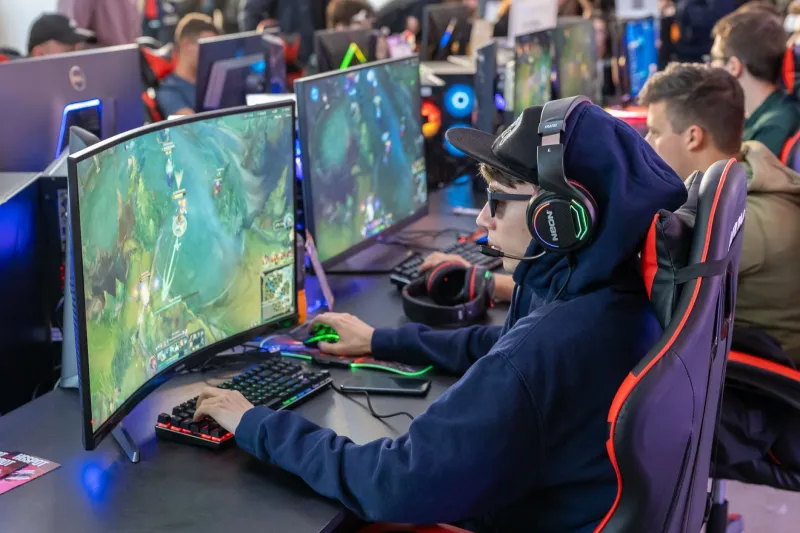
On a Saturday morning in Columbus, Ohio, a 17-year-old named Marcus Delray lines up his shot in the semifinal round of the Midwest Precision Open. There are maybe 80 people watching — some on folding chairs, some standing against a chain-link fence — but Marcus treats it like Madison Square Garden. He exhales, adjusts his grip, and releases. The crowd pops. He's through to the final.
Scenes like this are playing out in parking lots, rec centers, and gymnasiums all across America right now, and if you've been sleeping on the regional slingshot league movement, you're already behind the curve. What started as informal weekend throwdowns is quietly becoming one of the most compelling grassroots sports stories in gaming culture — a decentralized, community-driven system that's doing more to develop competitive talent than most big-budget esports franchises ever dreamed of.
How the League System Actually Works
Unlike traditional esports pipelines, which tend to be top-down — big organizations drafting players, controlling branding, setting terms — regional slingshot leagues are almost entirely bottom-up. A local organizer, usually someone who's been competing or coaching for years, sets up a series of monthly or bi-monthly tournaments in their metro area. Entry fees are low, sometimes just five to ten dollars, and prize pools are built from a combination of those fees, local sponsorships, and community fundraising.
That model sounds modest, but it scales surprisingly well. The Great Lakes Slingshot Circuit, which covers Illinois, Indiana, Michigan, and Ohio, now runs 14 active regional hubs and has paid out over $40,000 in combined prize money since its founding in 2021. The Southeast Sling Alliance, headquartered out of Atlanta, has grown from four founding chapters to 11 in under two years.
"We're not trying to be the NFL," says Dana Kowalski, who co-founded the Great Lakes Circuit out of her garage and now coordinates logistics for the entire network. "We're trying to be Little League. We want every kid in the Midwest who's ever picked up a slingshot controller to have somewhere to go, someone to compete against, and a reason to keep getting better."
That philosophy — grow the base first, monetize later — is a direct rejection of how most esports structures have been built, and it's working.
The Farm System Effect
One of the most underappreciated things happening in regional slingshot leagues right now is the emergence of genuine farm systems. The best local players get noticed by regional coordinators, who flag them for invitational circuits. Strong invitational finishers get invited to open qualifiers for national-level events. It's not perfectly formalized yet, but the bones of a real developmental pathway are there.
Take 19-year-old Priya Nair out of Phoenix. She started competing in the Arizona Desert Sling Series at 15, grinding through local brackets every other weekend. By 17, she'd won three regional titles. By 18, she was competing in national open qualifiers. Today, she's ranked in the top 30 nationally in precision-target formats and has two equipment sponsors paying her a modest monthly stipend.
"The regional scene gave me reps," Priya says simply. "You can't learn to compete until you actually compete. And the big national events don't take chances on players they've never heard of. The regional circuit is how you get heard of."
That sentiment echoes across the community. The regional league isn't the destination — it's the launch pad. And that's exactly the point.
Sponsorship Is Coming, Slowly but Surely
For years, slingshot gaming's grassroots scene operated almost entirely outside the attention of brands and advertisers. That's starting to change. Local businesses — sporting goods stores, gaming cafes, energy drink distributors — are beginning to recognize that regional tournaments draw exactly the kind of young, engaged, brand-curious audience that's hard to reach through traditional advertising.
The sponsorship deals are small by esports standards. We're talking banner placements, product table spots, maybe a branded segment in a tournament's livestream. But they're real, and they're adding up. More importantly, they're creating a culture of accountability and professionalism that filters down to the players.
"When a local business puts their name on your event, you run a tighter ship," says Jerome Tibbs, who organizes the Carolinas Slingshot Invitational out of Charlotte. "You show up on time. You keep the brackets clean. You treat the players right. It changes the whole vibe."
Jerome's event drew a regional sponsor last year — a Charlotte-based gaming peripheral company — that covered venue costs and provided equipment prizes. It wasn't life-changing money, but it meant players competed for real gear, not just gift cards, and the whole operation felt more legitimate.
What the Big Organizations Are Missing
Here's the uncomfortable truth that nobody in traditional esports wants to say out loud: the regional slingshot league model is solving problems that massive organizations with massive budgets have completely failed to crack.
Big esports structures tend to prioritize marketability over development. They want players who are already good, already have audiences, already fit a brand image. That's great for the top 1% of competitors. It does nothing for the 99% of talented players who just need somewhere to grow.
Regional leagues don't care if you have 50 Twitch followers. They don't care if you're photogenic or quotable. They care if you can hit a precision target from 30 feet under pressure. That meritocracy is genuinely rare in competitive gaming, and it's one of the biggest reasons the grassroots scene is attracting players who might otherwise have walked away from competitive gaming entirely.
"I got cut from two esports academy programs before I found the regional slingshot scene," says 21-year-old Deon Castillo from Denver. "Both times it was because I wasn't the right 'content fit,' whatever that means. Here, you either make the shot or you don't. Nobody cares about your brand."
The Road Ahead
The regional league movement isn't without its challenges. Standardization is a real issue — different circuits use different rule sets, different equipment specs, and different scoring formats, which makes it hard to compare results across regions or build a coherent national ranking system. There are ongoing conversations in the community about whether to push for a unified governing body, though plenty of organizers are wary of anything that smells like bureaucracy.
Funding sustainability is another open question. Most regional circuits are one or two bad seasons away from financial trouble, and the organizers running them are doing so largely out of love for the game, not profit.
But the momentum is undeniable. More cities are launching circuits every quarter. National events are increasingly drawing their fields from regional qualifiers. Sponsors are paying attention. And players like Marcus, Priya, and Deon are proof that the pipeline is producing real talent.
The future of competitive slingshot gaming isn't going to be handed down from some corporate boardroom. It's going to be built, one regional bracket at a time, by people who showed up on a Saturday morning with a folding table and a dream.
Launch smarter. Build from the ground up. That's the Slingshot HQ way — and apparently, it's the regional league way too.